Specialized guidance for adoptive and foster families navigating the emotional complexities of the adoption journey—before, during, and long after placement.
Contact us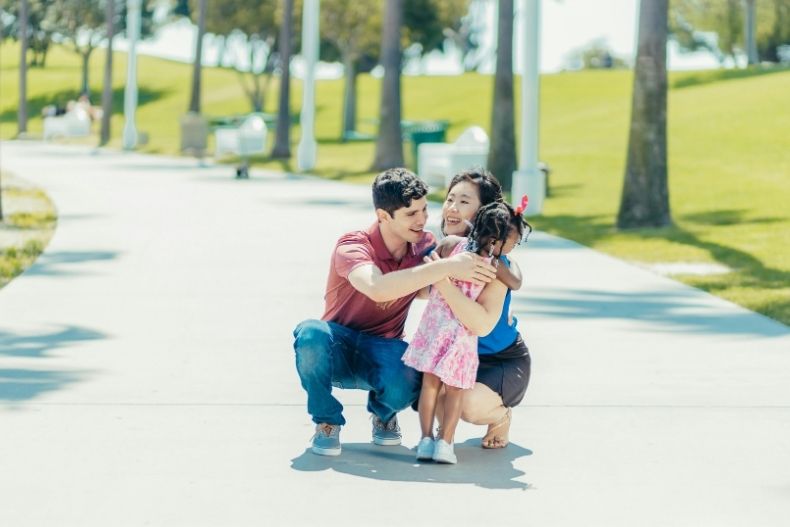
Strengthening Families is a practice dedicated to understanding the unique challenges adoptive and foster families face. Our warm, collaborative approach meets your family where you are—without judgment, and with genuine expertise.

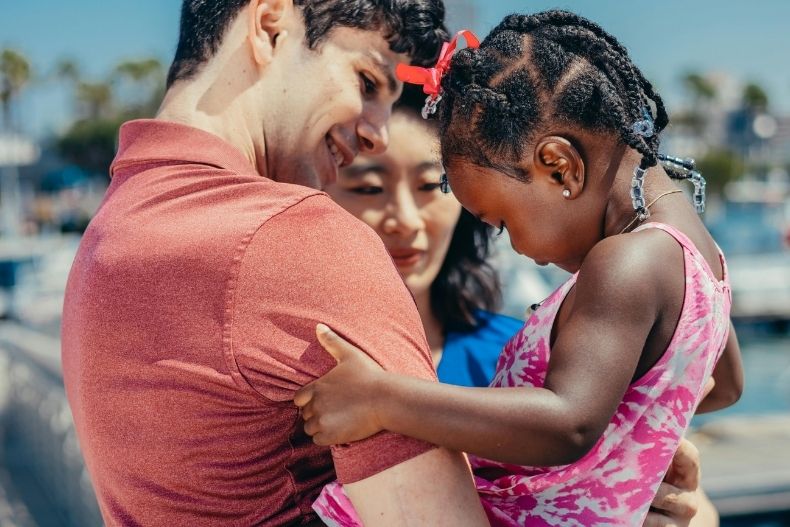
Adoption is a profound and life-changing experience — one filled with love, hope, and often unexpected challenges. For many adoptive and foster families, the journey doesn't end at placement. Questions of identity, grief over early losses, bonding difficulties, and post-adoption adjustment can surface weeks, months, or even years later, and they deserve thoughtful, specialized support.
Adoption support therapy provides a space where families can work through these challenges with a clinician who deeply understands adoption dynamics. This is not general family therapy applied to an adoption context—it is work grounded in the specific psychological, developmental, and relational realities that adoptive and foster families face. That distinction matters, and it shapes every aspect of how sessions are structured and what they address.
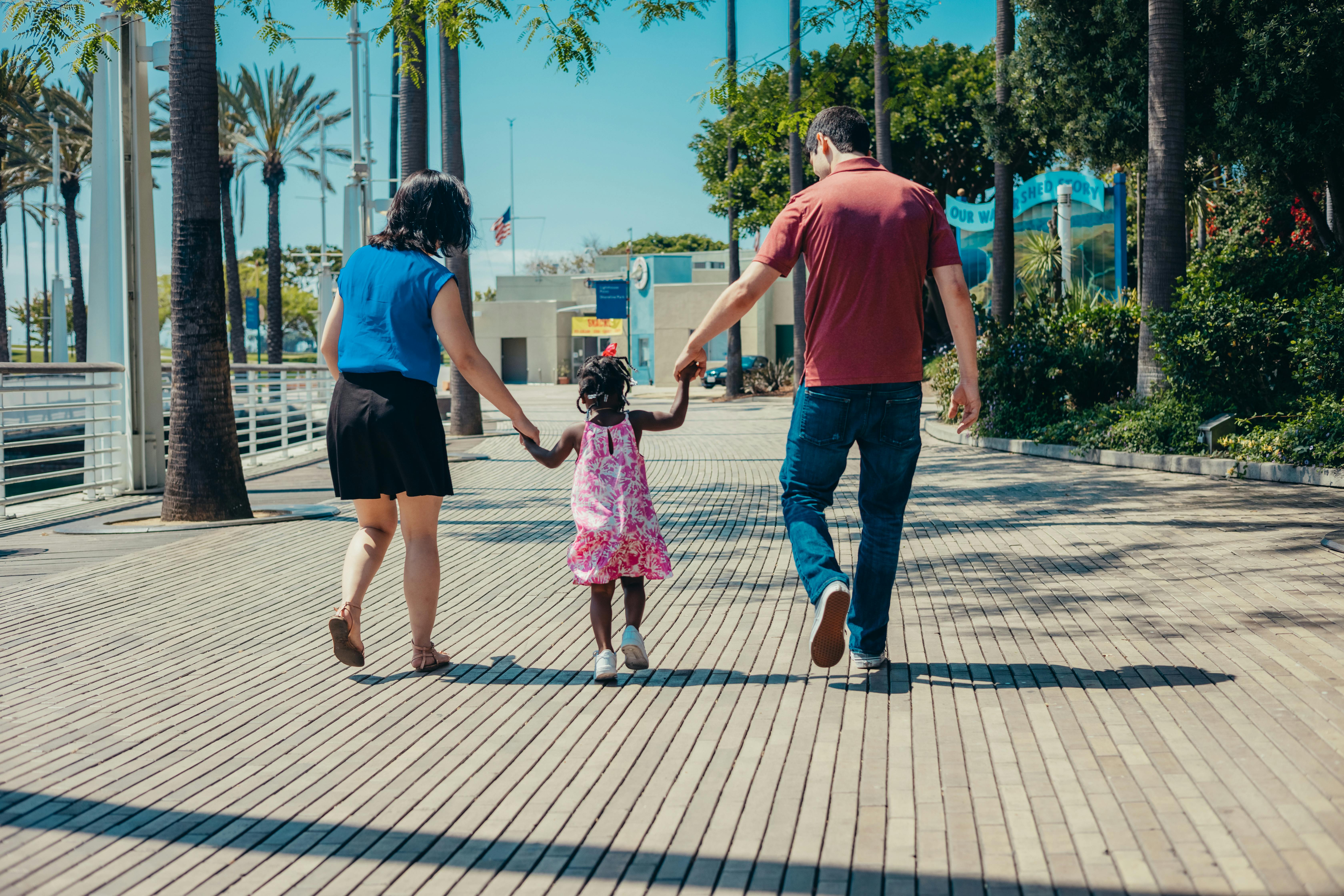
At Strengthening Families, adoption support is tailored to where your family is right now. Whether you are preparing for a placement, navigating a difficult transition, or supporting a child through questions about their identity and origins, therapy offers a steady, informed presence alongside you every step of the way
Adoption brings questions that general therapy resources don't always answer well. These FAQs address some of the most common concerns we hear from adoptive and foster families—and if yours isn't listed, please reach out directly.
Both. Pre-adoption counseling can help families prepare for the emotional realities of placement, set realistic expectations, and build a toolkit for common challenges before they arise. Post-placement therapy is valuable when adjustment is harder than anticipated, when bonding feels slow or strained, or when a child begins showing signs of trauma or grief. Early support—at any stage—tends to lead to better outcomes for both children and caregivers.
Yes. Many children—especially younger ones or those who have experienced loss—find it difficult or frightening to talk directly about their adoption story. Therapy doesn't require a child to verbalize their experience to be effective. Play-based and relationship-focused approaches create safety first, allowing children to process feelings at their own pace and in their own way. Often, the most meaningful breakthroughs happen without a single direct conversation about adoption itself.
It can involve the whole family, and often the most effective work does. Adoptive parents play a central role in a child's healing, so sessions frequently include caregiver coaching, joint parent-child activities, and support for the stress and secondary trauma that caregivers themselves experience. The structure of sessions is shaped by your family's needs—there is no one-size-fits-all format.
A therapist without adoption-specific training may unintentionally apply frameworks that don't account for the unique dynamics of adoptive family systems—things like primal wound theory, the impact of early institutional care, transracial adoption considerations, or the complexity of open adoption relationships. Adoption-informed therapy starts from an understanding of these realities, which means less time re-educating your therapist and more time doing work that actually fits your family's experience.